Requiem to a dying planet
Hugo Feio MachadoWith the support of Cooperativa de Comunicação e Cultura, I present to you “Requiem to a Dying Planet”, a documentary photography project never before seen in Portugal. This work has been previously shown in Newport, Wales, Cardiff, Barry, and London in 2009, 2011, 2012, 2013, and 2015. The project was initially conceived as a final project for a BA in Documentary Photography at the University of Wales – Newport.
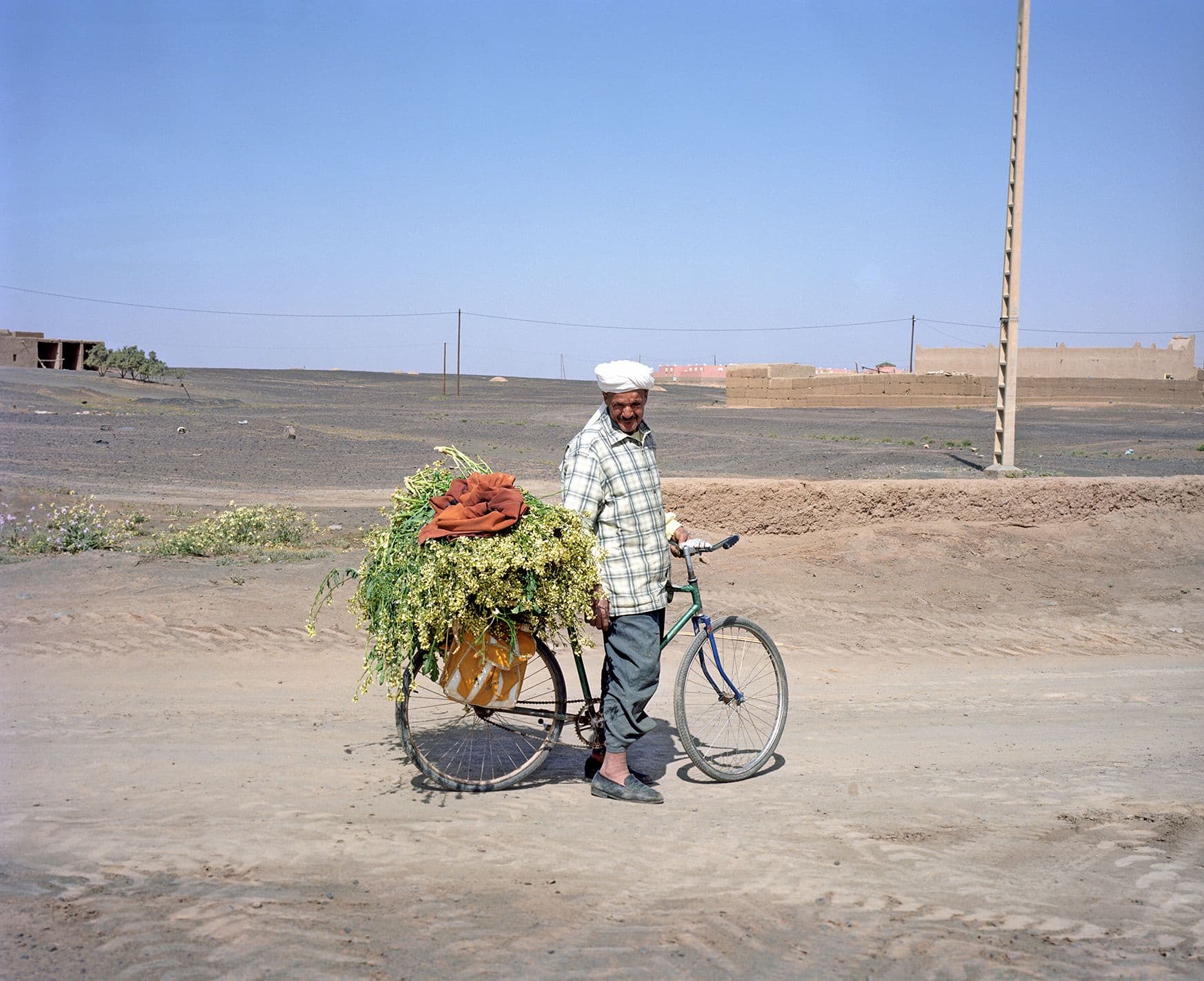
It is a work that explores, through photography, subsistence and sustainable agriculture, which began to be photographed in January 2009. Its conception and photographic strategies date back to October 2008. The initial idea, which remains, is to observe the gardens and the people who cultivate them, to understand how they use morphology and agricultural techniques for food production and sustenance.
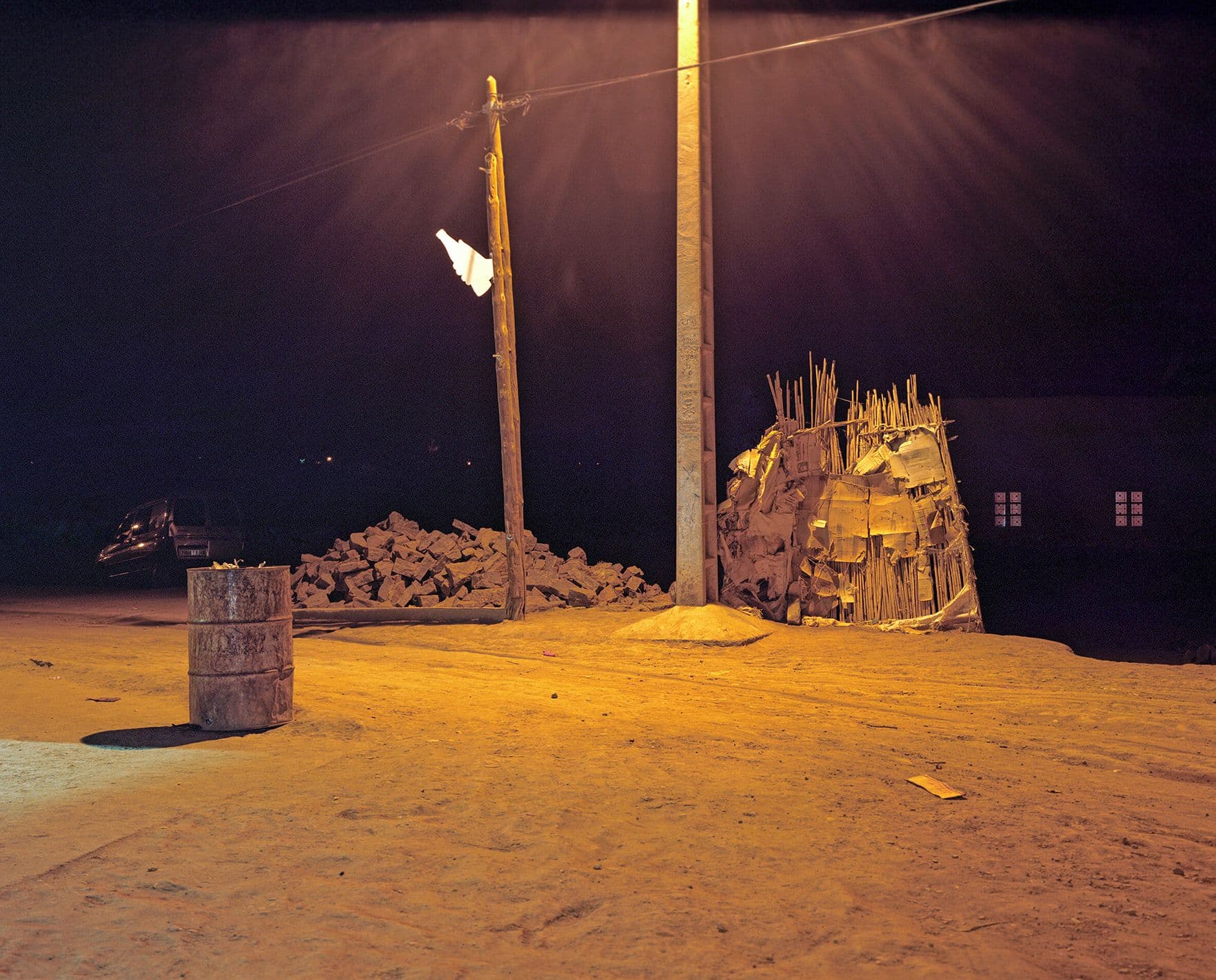
It was conceived from scratch as a book for each morphology, thus creating autonomous chapters that, when combined, would form "Requiem to a Dying Planet." In this way, each investigated location would have its own identity while maintaining global coherence and emphasizing the idea of subsistence agriculture. I sought to select the morphologies and their relationships with geography for each project. Using logic, cultivating in water scarcity, in mountains, in the city, and in harsh cold. In order to create a guiding thread that maintained coherence, I maintained the use of the same film for all projects, in this case, Kodak.
In the "Flora's Song" and "Warm Ground" projects, I used two primary lenses with the help of a tripod and flash, which kept the 6x7 format camera free. The production process took place over two visits. The first was about 20 days of photographing, and a second trip to take some missing photos, which I accomplished in about a week. The following year, in December 2010, I traveled to Trás-os-Montes, where I spent about 10 days photographing. The mountains and valleys are unique, and that's how "Warm Ground" came about.
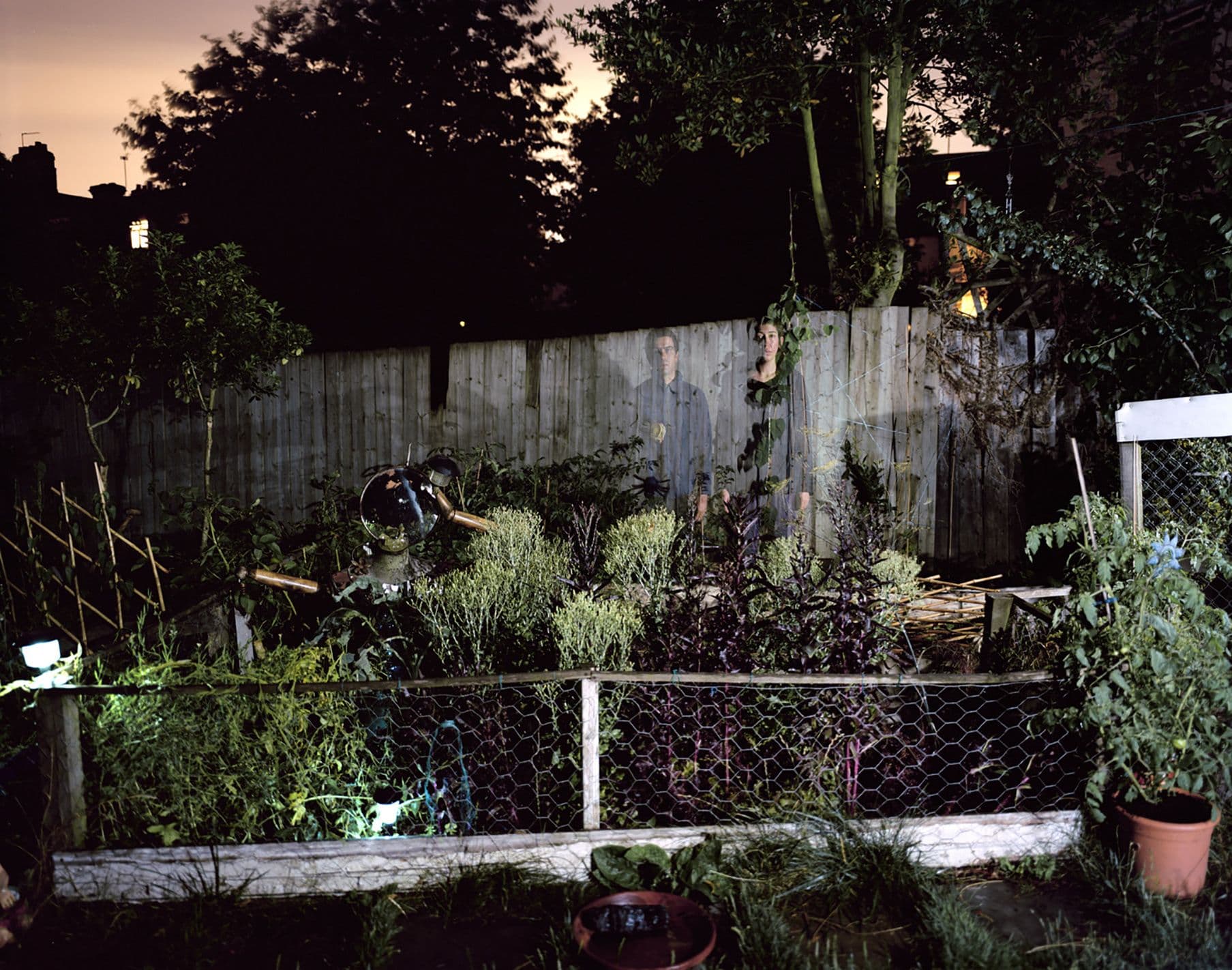
With the "My Own Plot Project—MOPP," I sought to explore urban space as a place where people believe in and need the potential to obtain some food. The project used the strategy of repeating the framing monthly to create an annual vision and thus feel the differences of each season. Using my own home garden, I decided to look for other people who did the same in places not regulated for this purpose, their homes. I wanted access to the private side of the producers. The city should have a distinct, darker visual aspect, and with this parameter I took photos of the photographic twilight. I invented a photographic effect that helped me talk about the relationship between the created space and the people who create it. When the flash goes off, the subjects should leave the scene, and the image should continue to be taken. The bellows camera, with a 4x5 inch format, that I used requires a specific and time-consuming procedure. Framing the image for repetition in the darkness demanded patience and determination, as it involved a lot of extra equipment. The effect is reminiscent of the sandwich method and double exposure, but is executed with a single shot. I thus produced a ghostly image, a technique I dubbed the Ghostly Effect.
To conclude “Requiem to a Dying Planet”, I would like to continue the investigation and create the final chapter, about subsistence farming in the harsh cold.
Hugo Feio Machado. 1977, Lisbon
He studied Arts at the Liceu and went on to graduate in Architecture in 1996. In 1999 he moved to the United Kingdom where he resided for 18 years, which were extremely important in his photographic and academic training, as well as in his personal development.
In the United Kingdom he explored his passion for photography with all his determination. It was through her studies in Documentary Photography that she deepened her understanding and thinking about narrative and image, having completed undergraduate and master's degrees in this field. Her first exhibitions were held in Wales and England, and she has not yet exhibited outside the United Kingdom. She returned to Portugal in 2017 and moved to Torres Vedras, where she lives and works.