Pai Mar
Hermano NoronhaThe thin, oscillating line that separates the liquid from the dry environment can only be understood by inhabiting its map. Only by traversing this boundary can one experience its orographic condition, can one conceive of a common identity.
The sea is a vast body of saltwater, an ocean that unites different cultures and suffers various damages. A transitory space that, subordinated to the lunar orbit, oscillates, common, across the entire surface of the planet, encompassing the land, islands, and continents. From above, seas are indistinguishable from oceans, countries are indistinguishable, nor are the people who inhabit them visible. Nor is its depth distinguishable, nor how far inland it extends. Its salinity is a gradient that dilutes life, between fresh and salty, from source to mouth, tracing floodplains, lagoons, and deltas.
Between sea and land there is a common thickness. A complex belt of marine regressions and transgressions that shapes its shores, creating dunes, islands, reefs, bays, estuaries, swamps, and cliffs. Its appearance can differ from another just a few kilometers away; even ecosystems that repeat themselves along the coast—such as beaches, sandbars, lagoons, and mangroves—can present different animal and plant species and human cultures.
Father Sea is this undefined territory, a collective memory under construction, marked by signs of identity and difference.
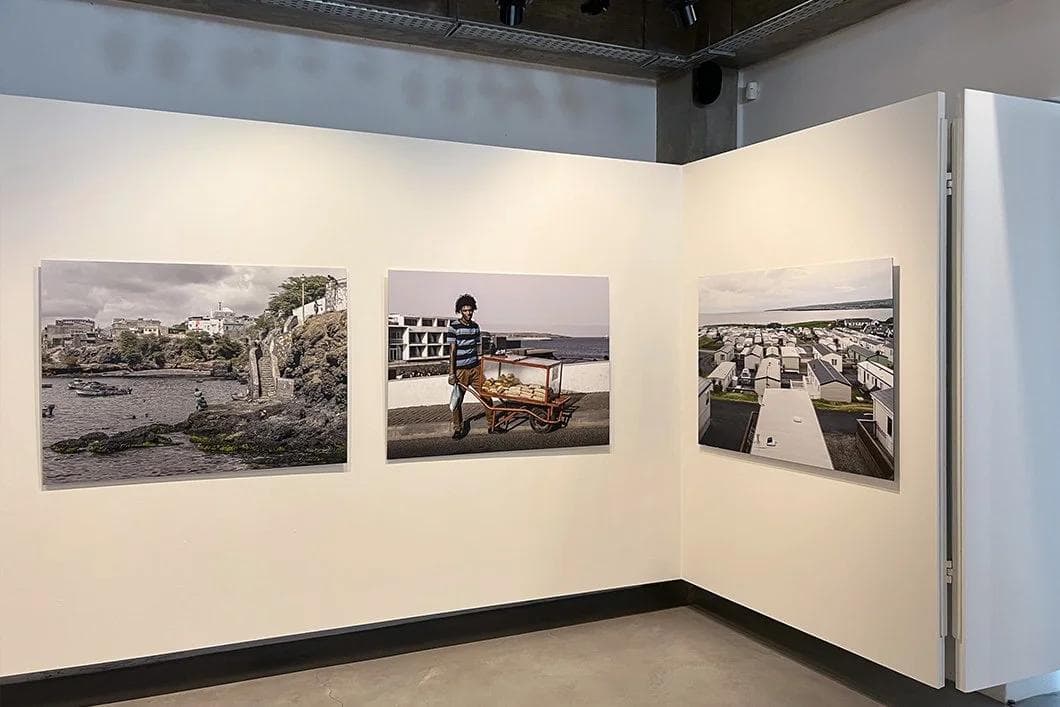
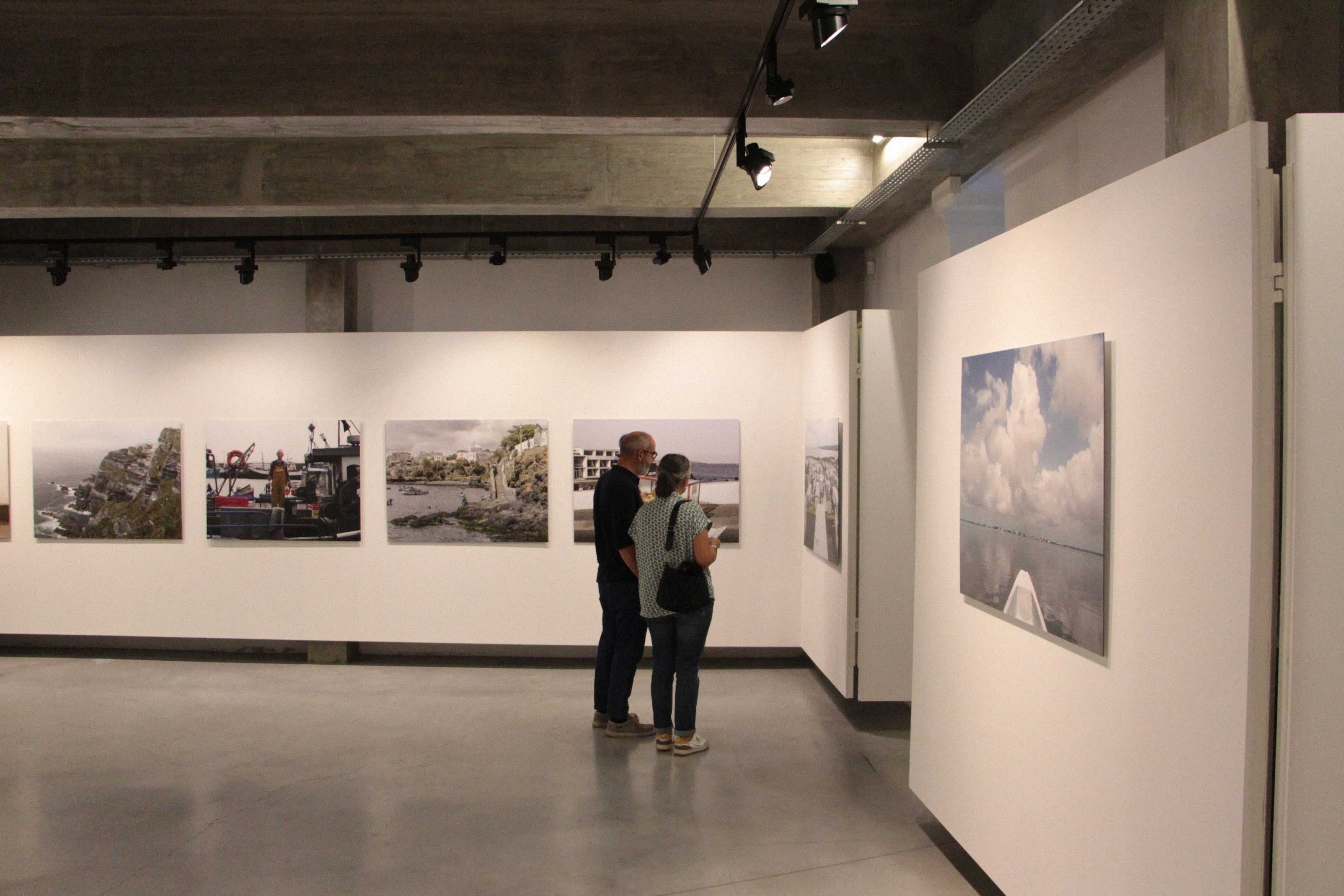
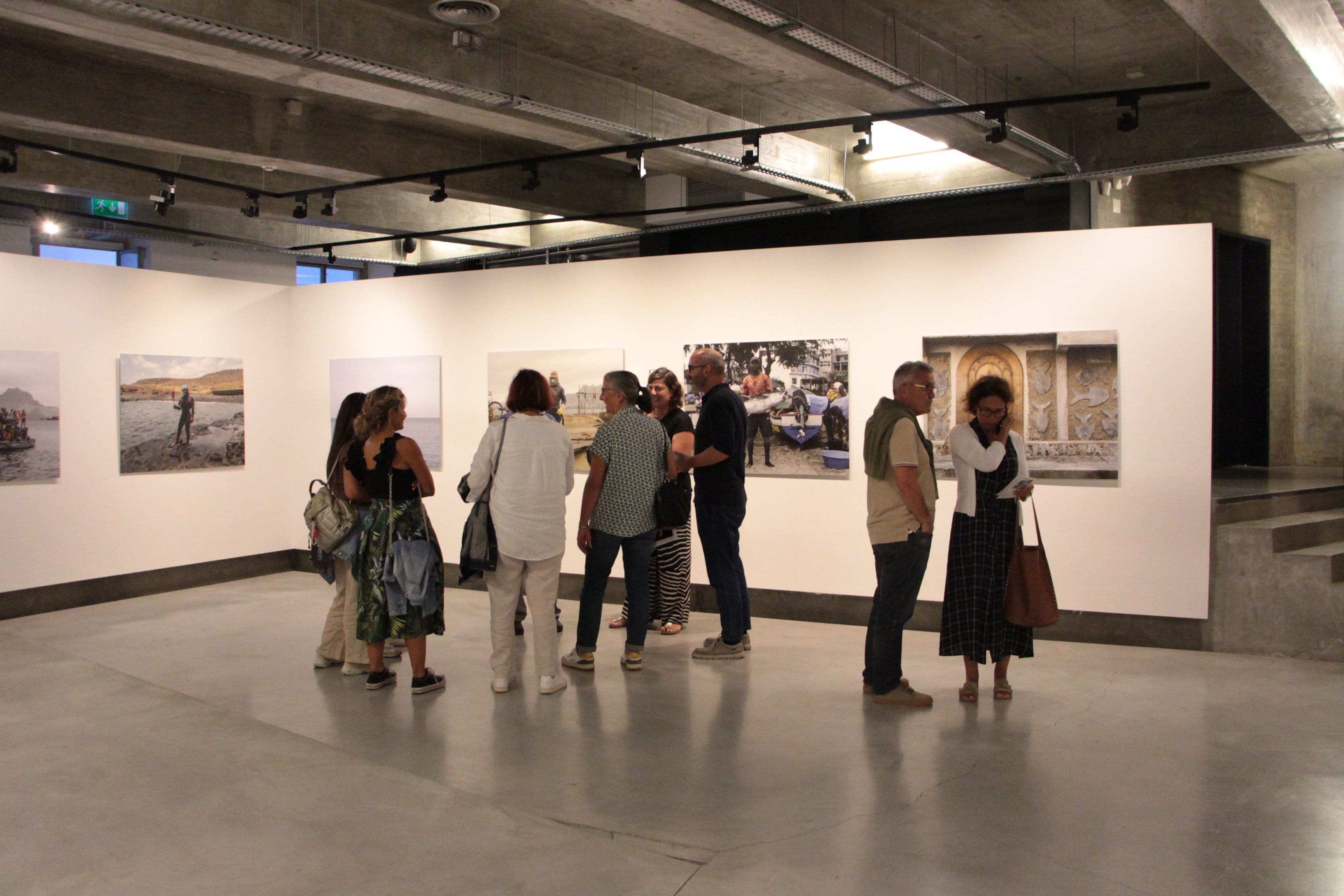
Father Sea is life, and as such, a vibrant landscape. A consciousness that renews itself, with concerns about the management of marine resources, but also with concerns about the persistence of its memory, practices, and traditions. In this territory, there is an urgency to protect and develop, sustainably and perpetually, a culture that dilutes two worlds that, seemingly distant, merge in the vast oceanic coastline. Hermano Noronha, 2023. The photographs were taken in Cape Verde, São Tomé, Ireland, and Colombia, as part of the EU MSCA-RISE-777998 CONCHA project (“The construction of early modern global cities and oceanic networks in the Atlantic: An approach via Ocean’s Cultural Heritage”).
Hermano Noronha holds a Master's degree in Contemporary Artistic Creation and has been developing photographic projects since 2011. He has participated in numerous solo and group exhibitions. He has coordinated artistic residencies and served as a jury member in the 10th LabJovem, DRC Açores. He was a finalist in the International EI Awards 2015 — Encontros da Imagem, participated in the European exhibition CreArt 2015 “Me and the City”, with exhibitions in Pardubice, Linz and Genoa, and was the winner of the Estação Imagem 2014 grant.
He is currently developing the Pai Mar Project, a portfolio that received an Honorable Mention in the Urbanautica Institute Awards 2020, was included in the Dodho Portraits Awards 2023, and was published in a book by Cahier d’images.