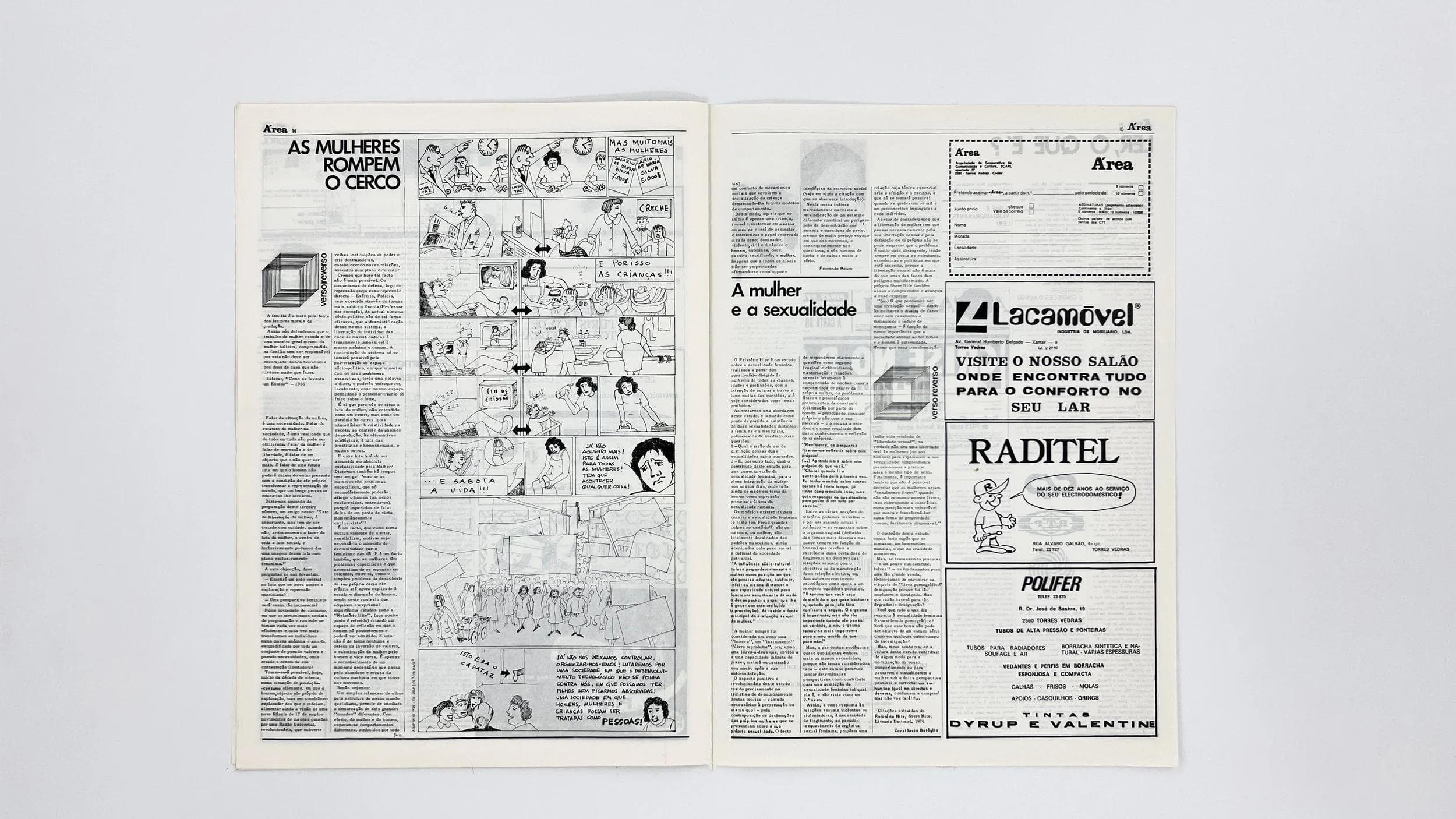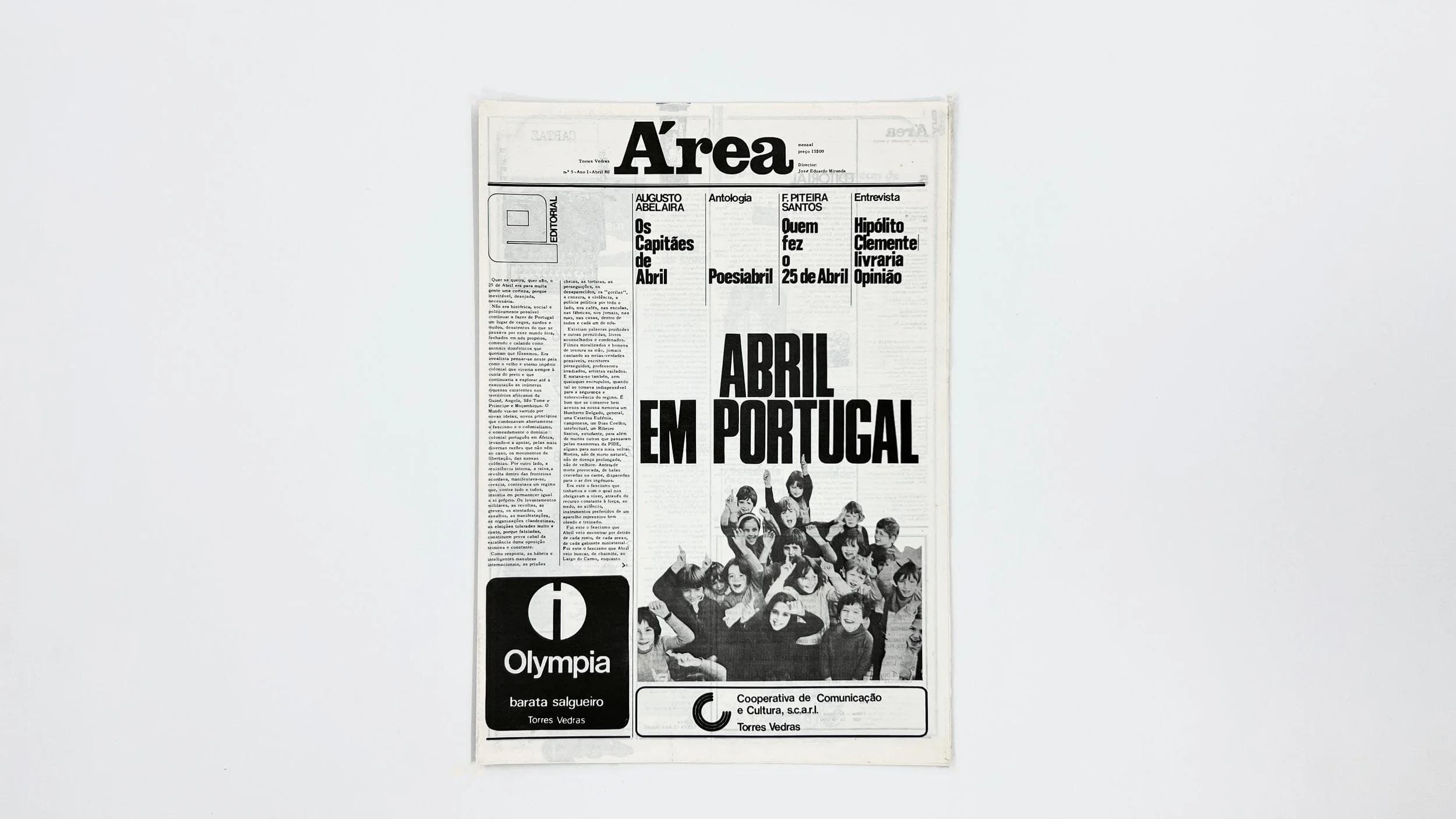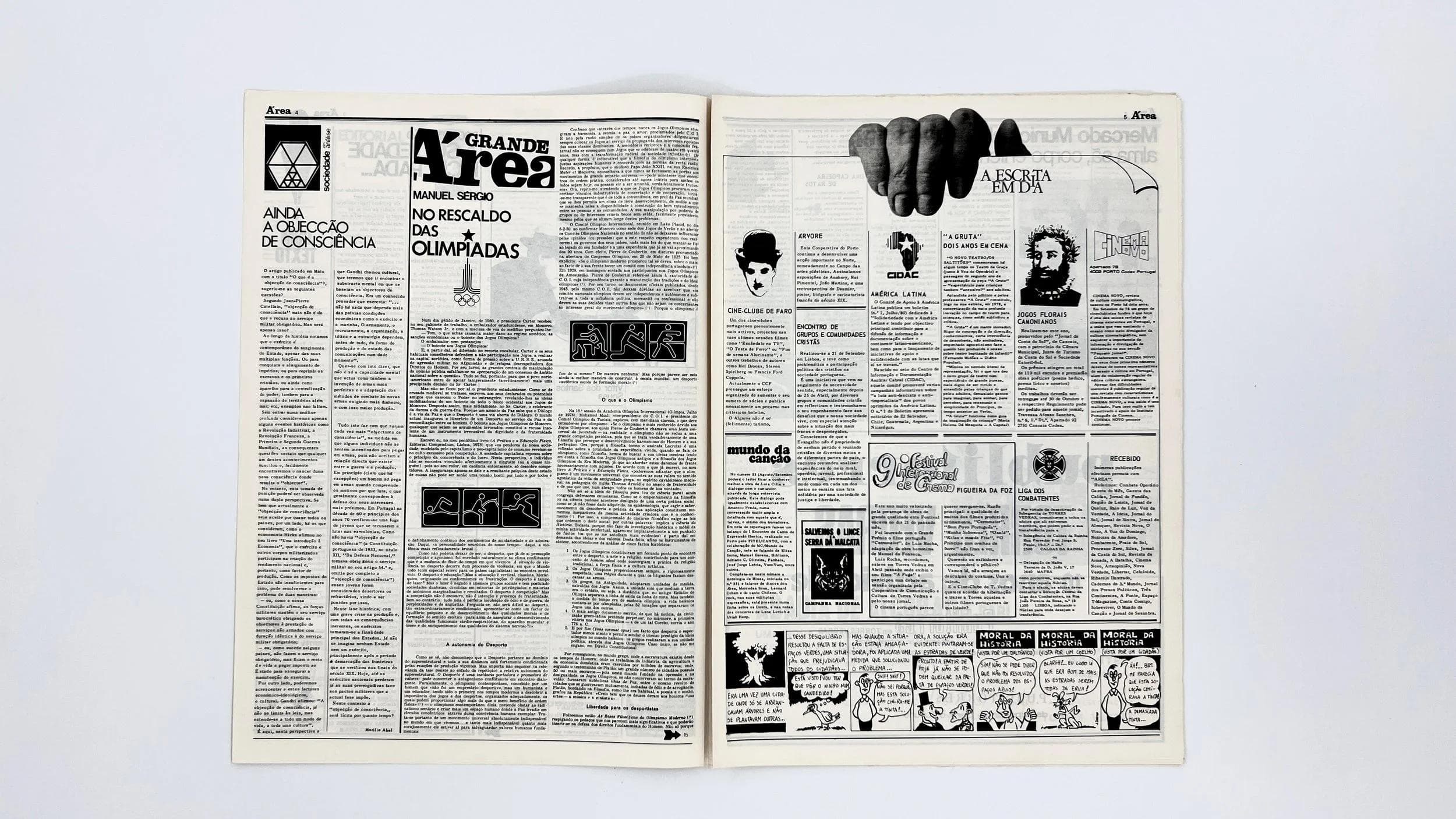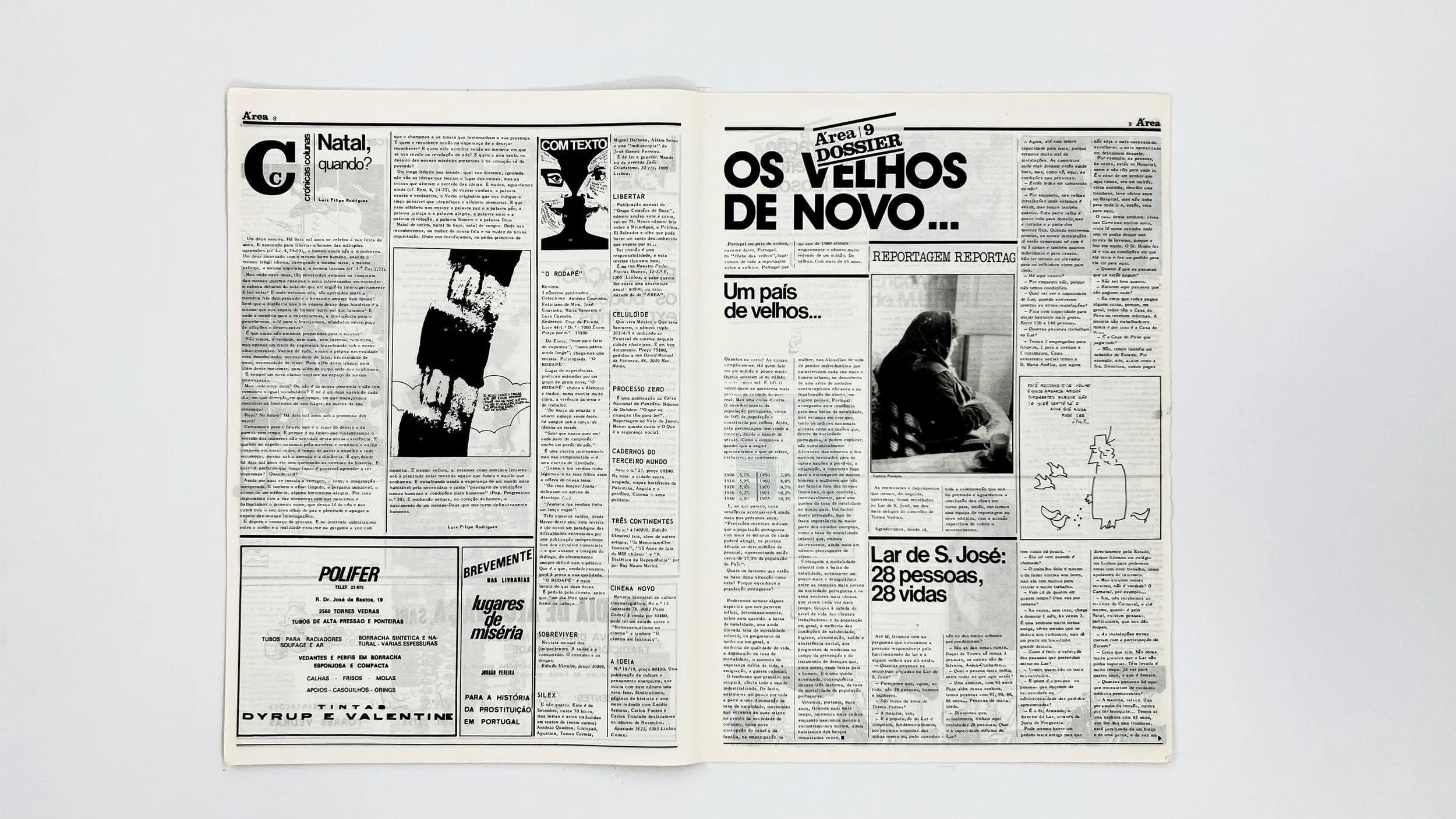
Área
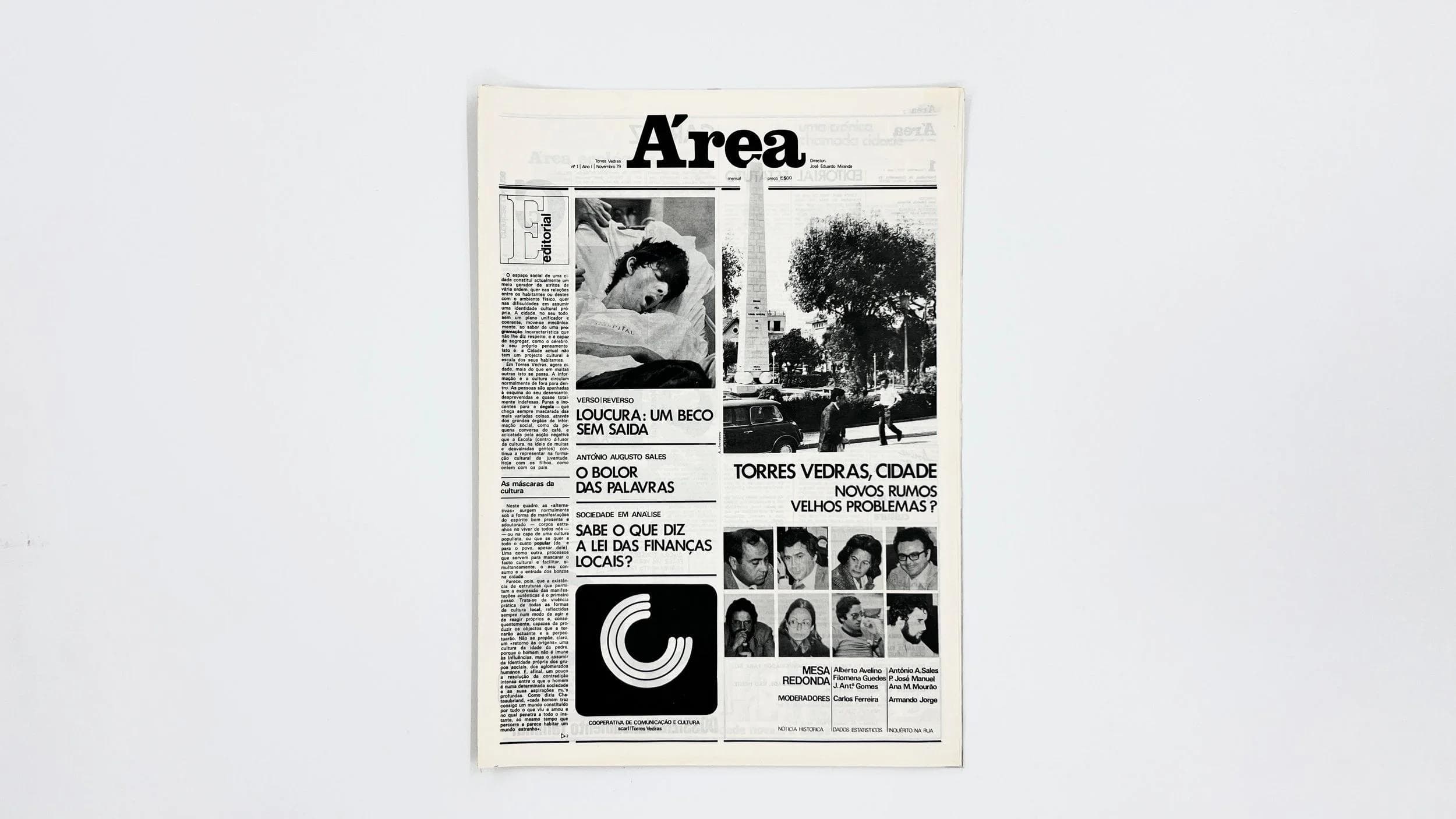
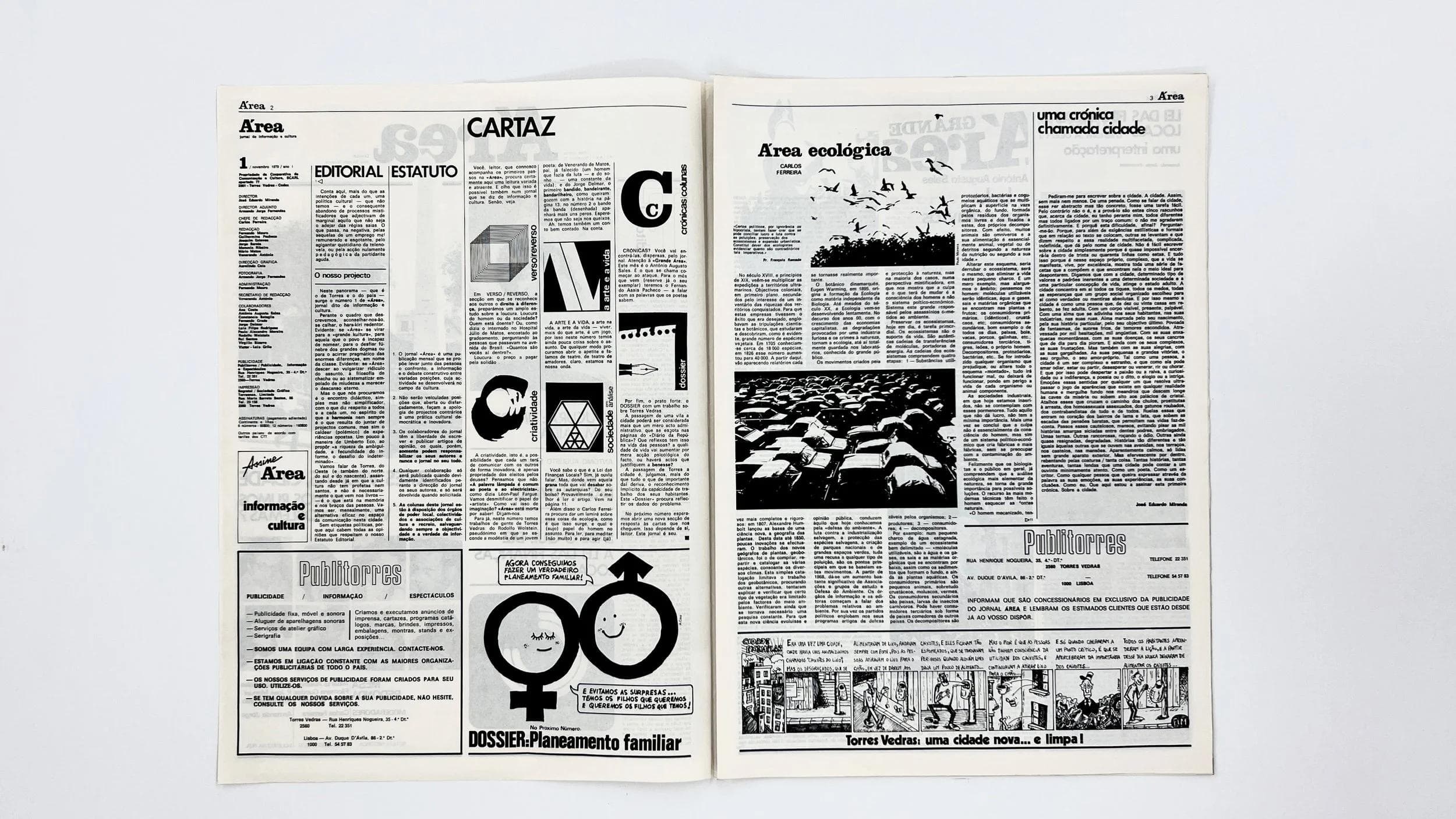
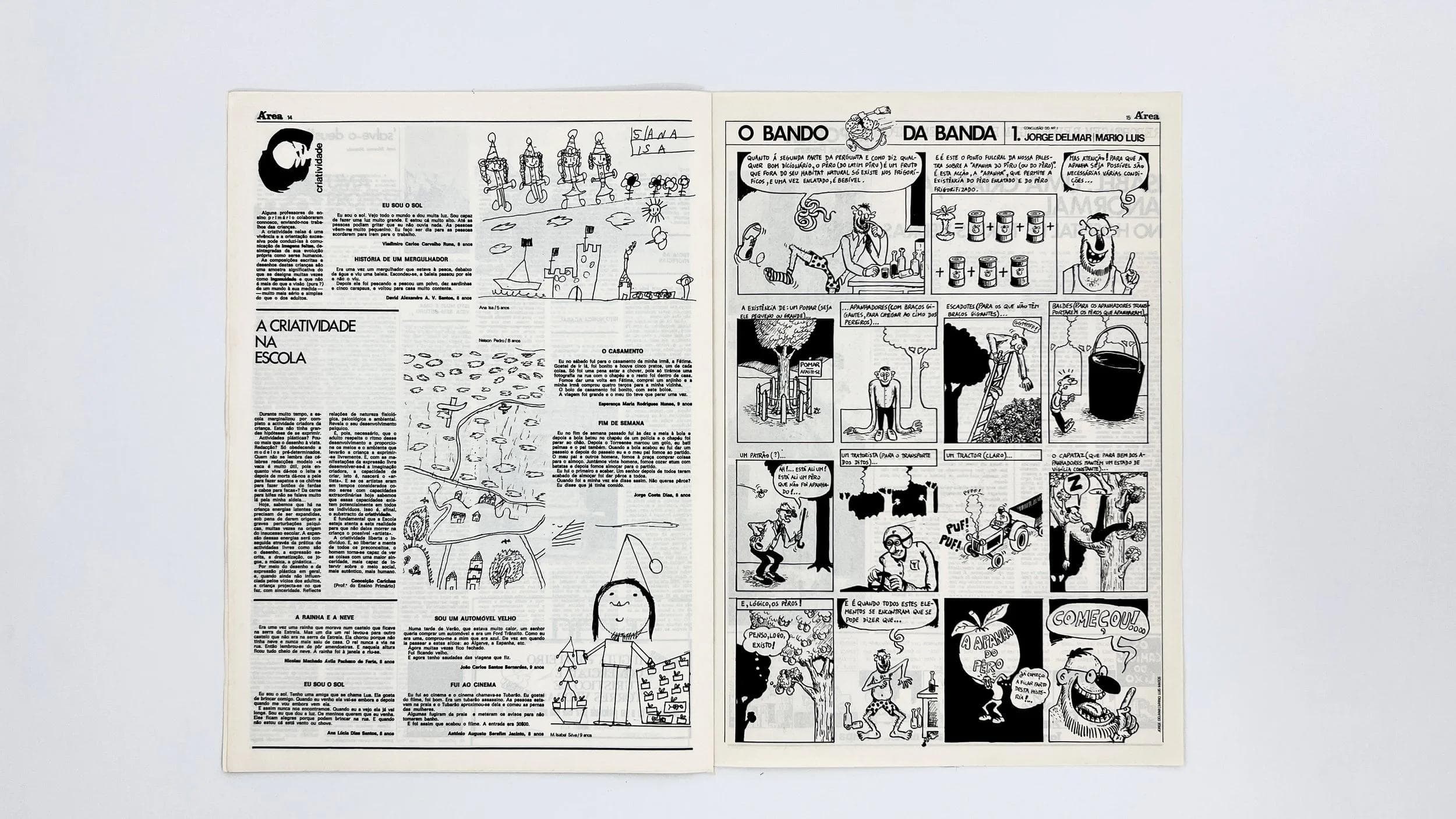
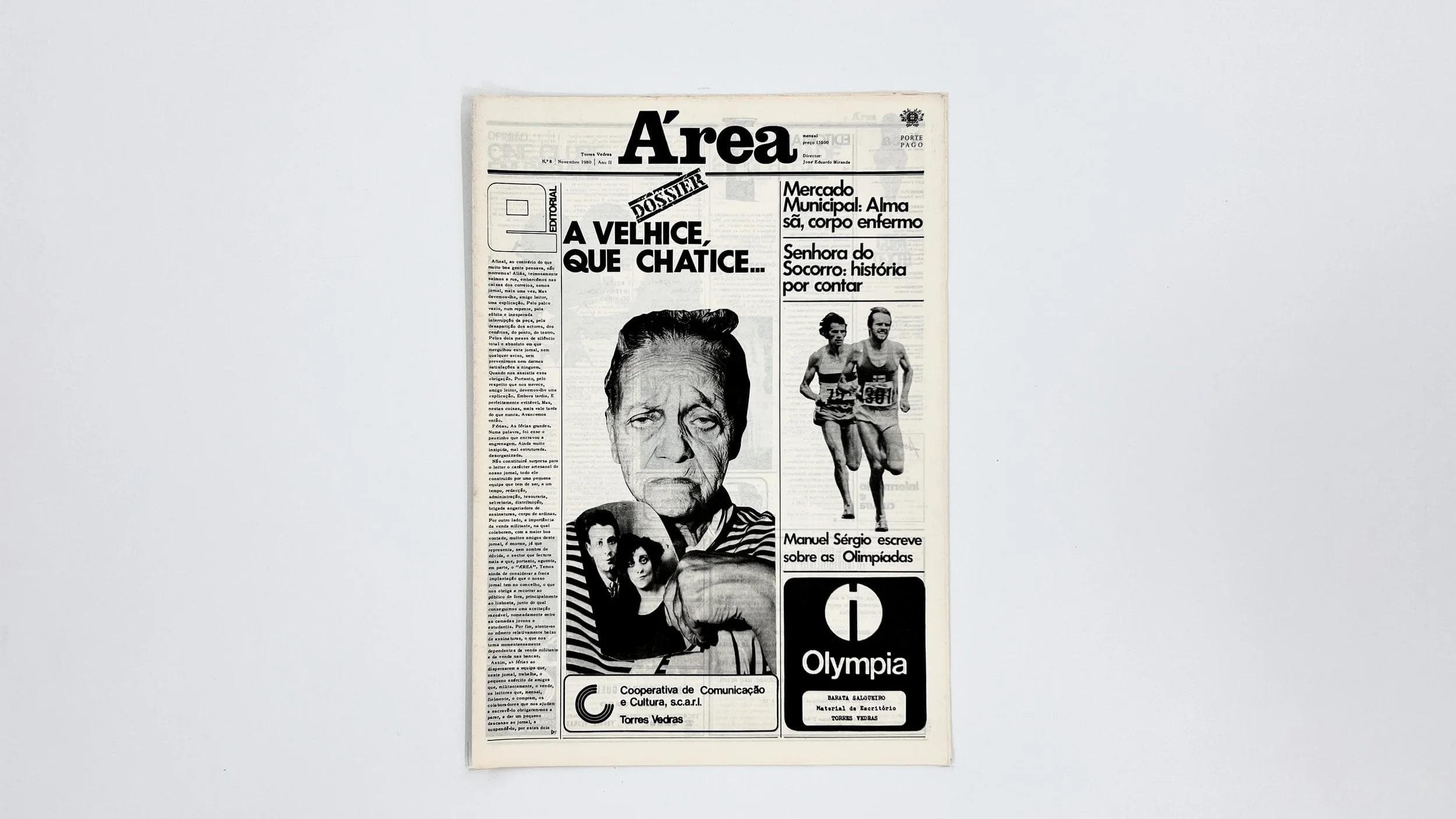
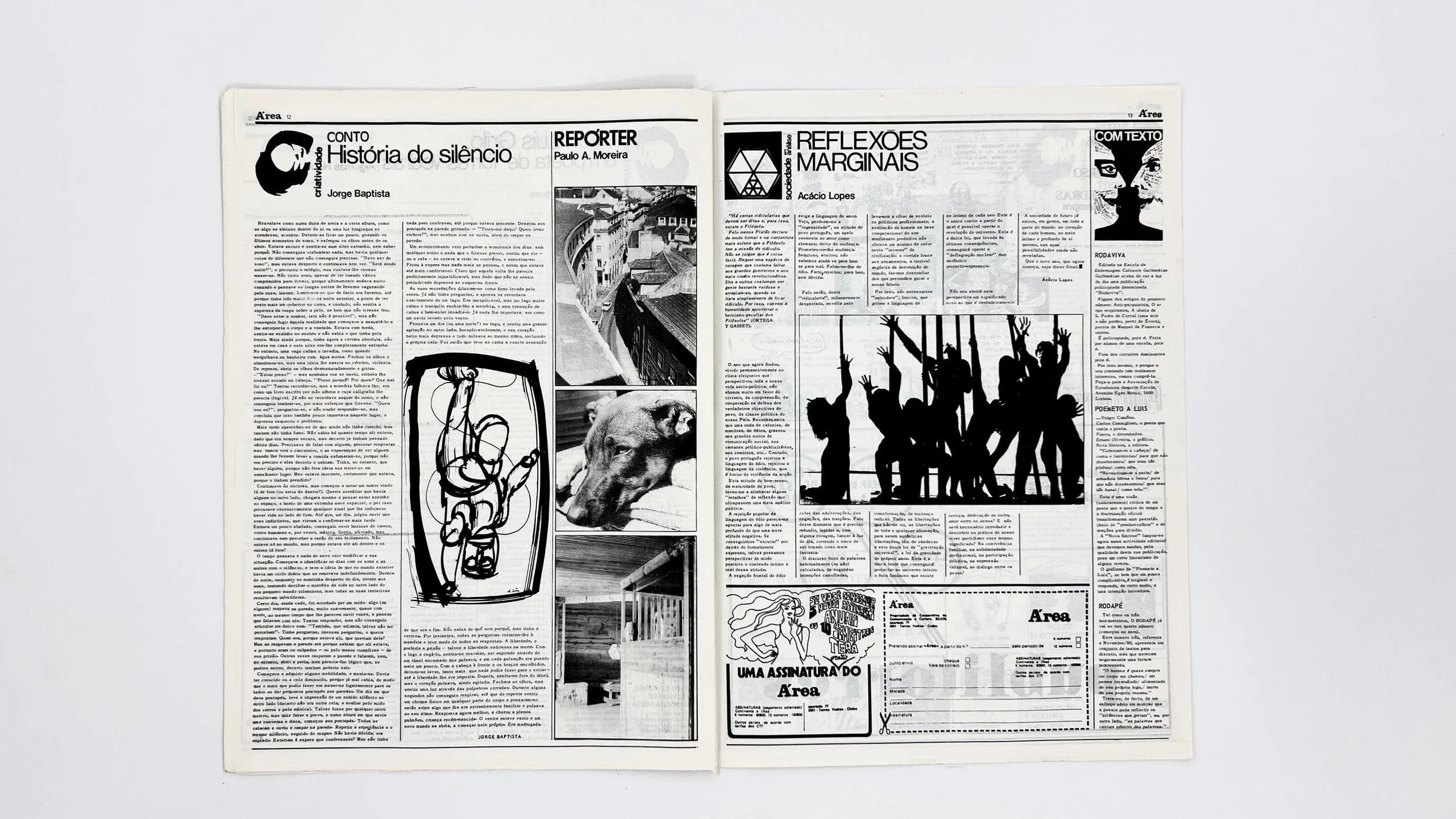
1979—2009On September 22, 1978, eighteen young people gathered on Santa Cruz beach, at the home of Fernando Mouro and Manuela Ribeiro, not to prepare for a trip to the beach, but to found a newspaper. It seemed easy. At least, it was hopeful to accomplish something to share with others the joys, criticisms, and expectations of the new era. It wasn't quite a newspaper yet—the idea was more of a "magazine." Courageous people, they feared no obstacle. Everyone was willing to collaborate in different areas of work. The project was ambitious: from history and education to music, literature, cinema, ecology, religions, photography, psychology, sociology, politics, theater, health... and more. First decision: to organize a group to march to Lisbon, where contacts would be made with advertising agencies, printing companies, distributors, and the journalists' union. Objective: to understand the concrete conditions to begin building a publication with solid structures. On October 10th, it was finally possible to find those responsible for the main topics: creativity, the right to be different, information, theater, society under analysis, comics, music...
(...) Who or what organization would assume legal ownership of the publication? It was thought that this problem would be solved with the creation of a cultural cooperative—which came to be called the "Communication and Culture Cooperative". (...) The newspaper's headline began to be debated in the first meetings in November. The name "ÁREA," curiously, was never mentioned and does not appear in the hypotheses under discussion recorded in the Venerable's papers, but it was chosen in a meeting where it was proposed by Ceia.
(...) The Cooperative then assumed the role of legal support for the newspaper and began to promote various cultural activities to present the idea to the community. The first event took place on November 18, 1979, with Torres Vedras already promoted to city status, for the launch of the first issue of ÁREA — "1st Sunday Outing — A historical itinerary in Torres Vedras," organized by Cecília Travanca and Manuela Ribeiro. The newspaper insisted on a local tone, open to cultural restlessness and diversity. For a long time, the public wondered, perplexed, "who was behind this bunch of kids" — that is: which party was mobilizing the troops? They never found out, for the elementary reason that there wasn't one! The young people (mostly students and teachers) simply wanted to act, with pleasure and civic sense. There was no ideological identity (much less a partisan one), but neutrality was also absent. This was a group for whom one basic idea was essential: democracy.
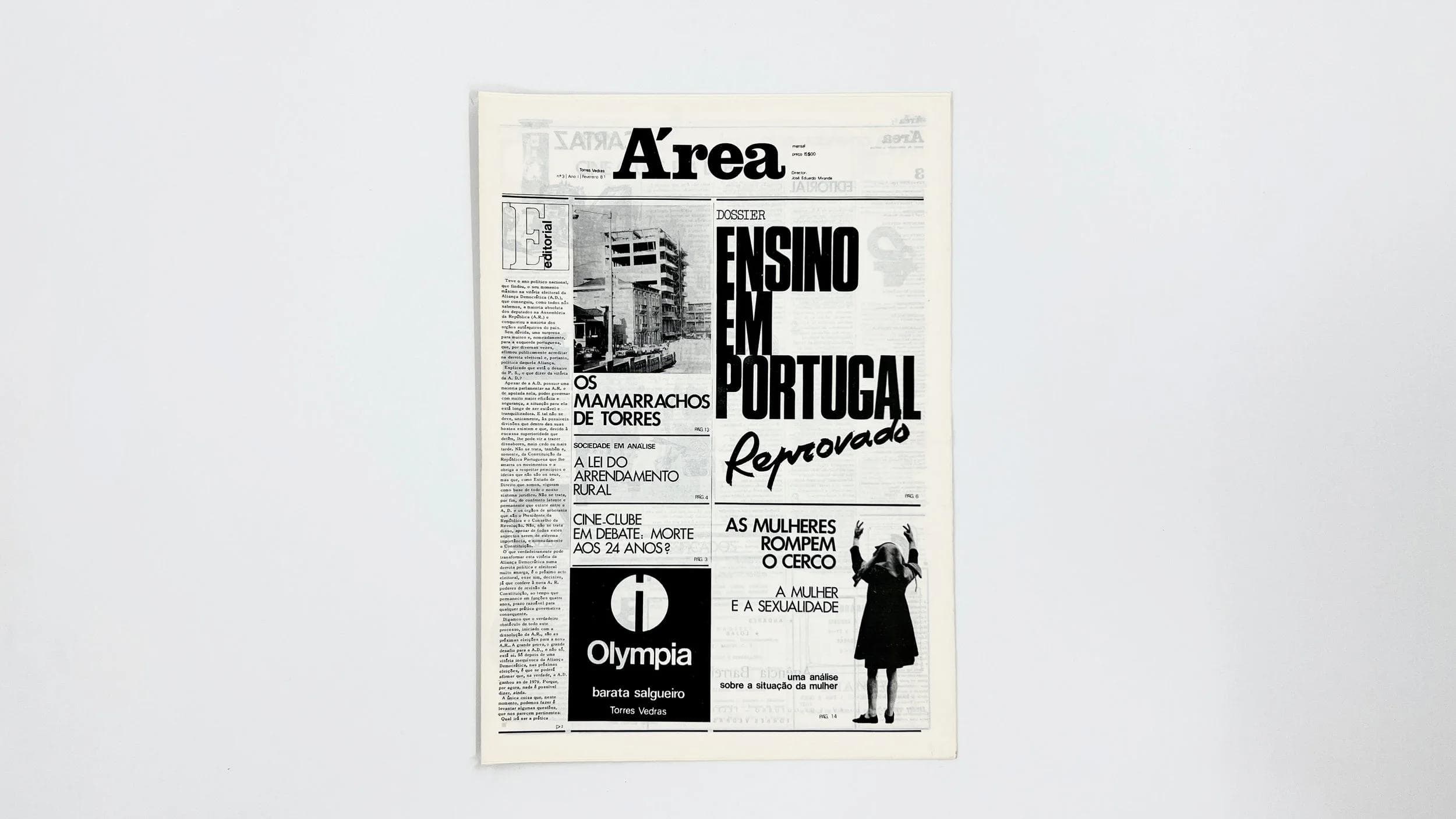
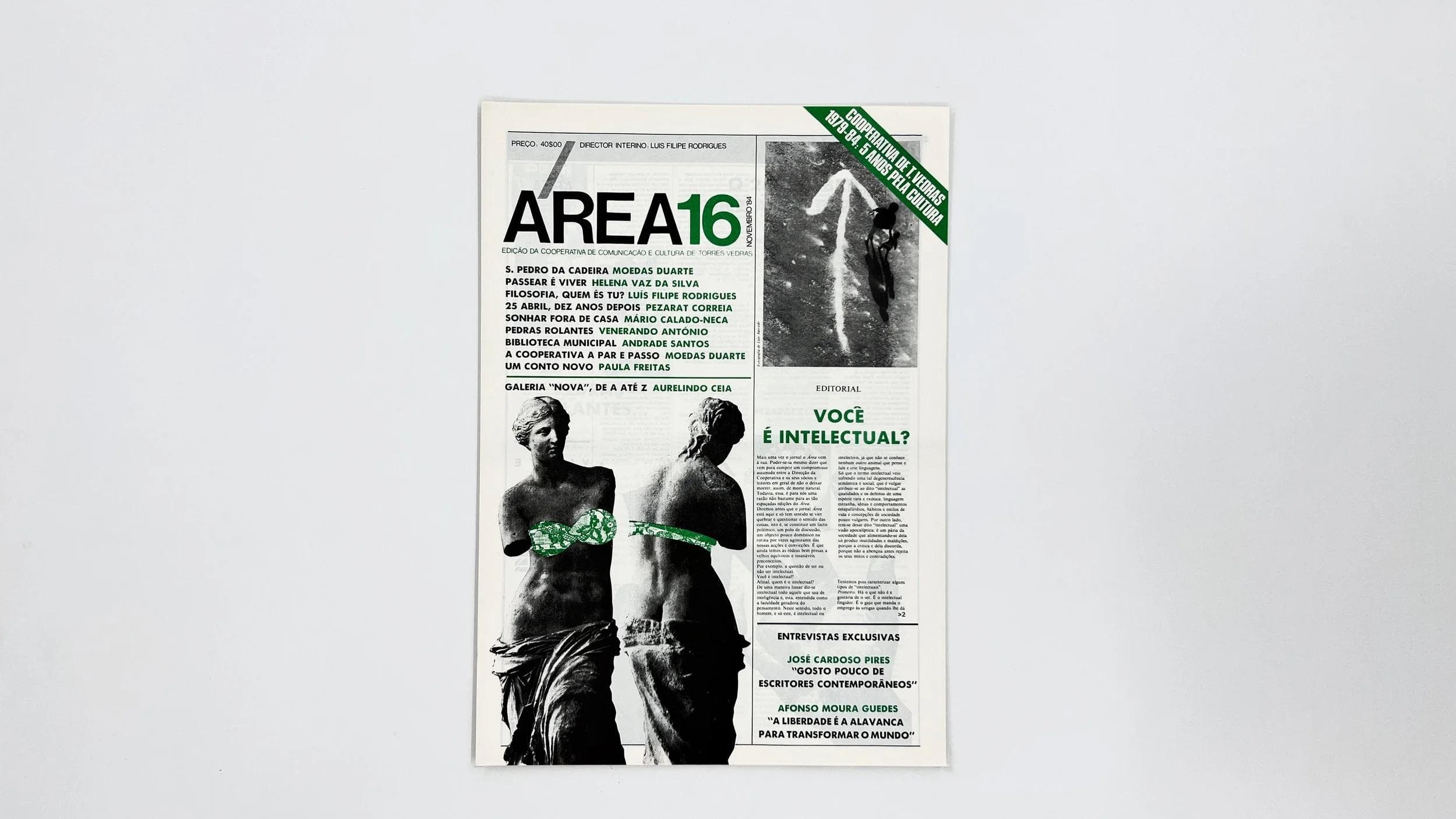
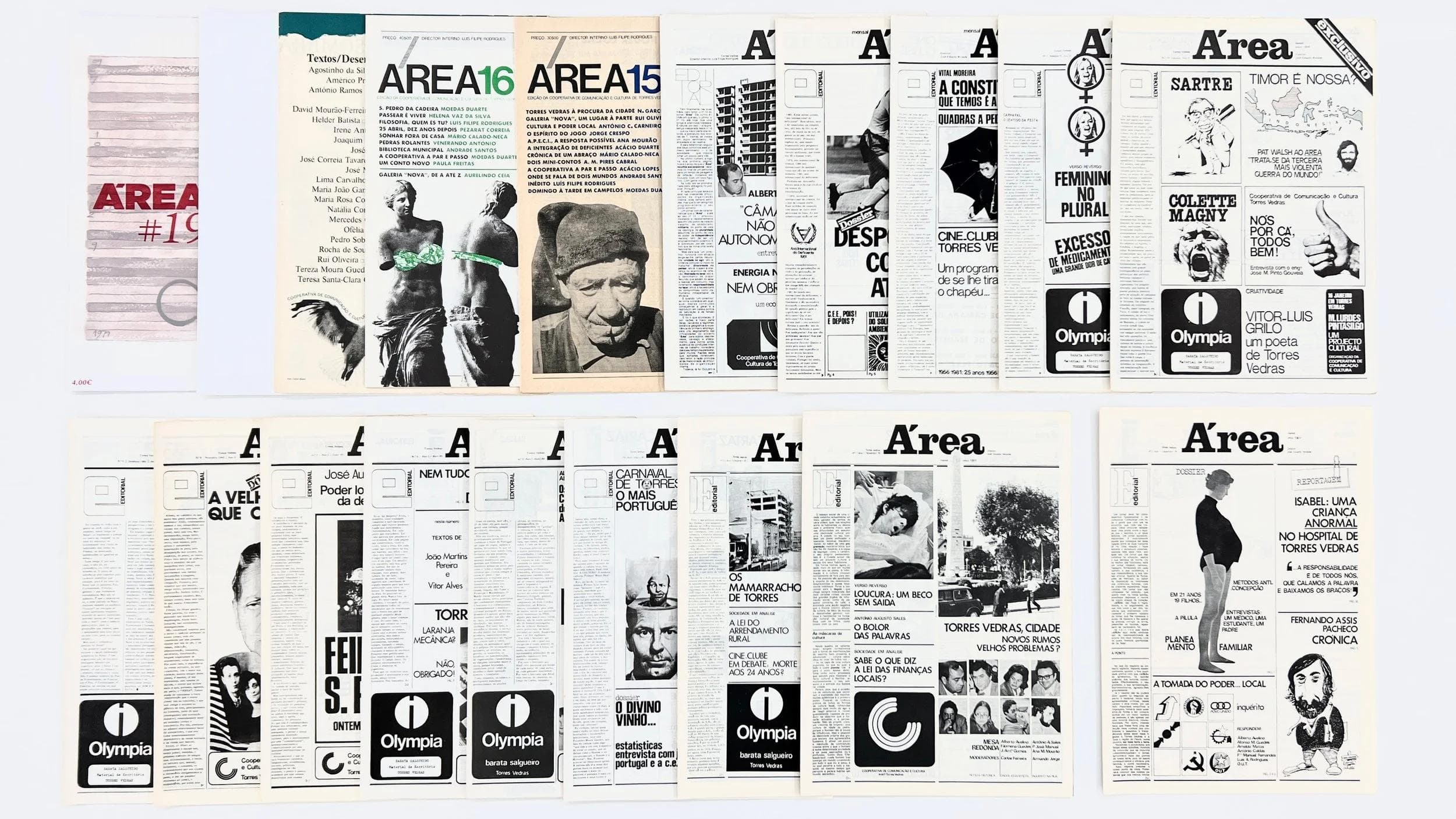
(…) The newspaper, a "monthly" publication, would publish thirteen issues until June 1981… The next issue would come out a year later, in June 1982, now directed by Luís Filipe Rodrigues, a courageous and generous man—perhaps the serene authority that the matter demanded. Issue 15, June 1983; issue 16, November 1984; issue 17, April 1990; issue 18, November 1999; issue 19, October 2009… This sequence says everything about the slow death—often postponed—of a publishing project whose amateur foundations were, notoriously, insufficient. Courage needed structure.
(…) Forty years have passed. The headquarters of the Communication and Culture Cooperative, on Rua da Cruz, remains open and activities continue, in smaller numbers than twenty or thirty years ago, but pursuing the stubborn idea of creating a cultural climate. Torres Vedras: even if you don't want to or don't know it, it deserves the innovative work of this new "kids' festival"...
Ceia, Aurelindo Jaime, Rodrigues, Luís Filipe. (2021). Área, nascimento e vida. From Pequenas Crónicas, Grandes Memórias, (pp.9-12). Cooperativa de Comunicação e Cultura Torres Vedras