Wabi Sabi
Carlos PereiraIn recent years, the Far East has been very present in my travel projects, and one of the most immediate consequences of this has been a growing interest and curiosity about the peoples and cultures of the countries visited.
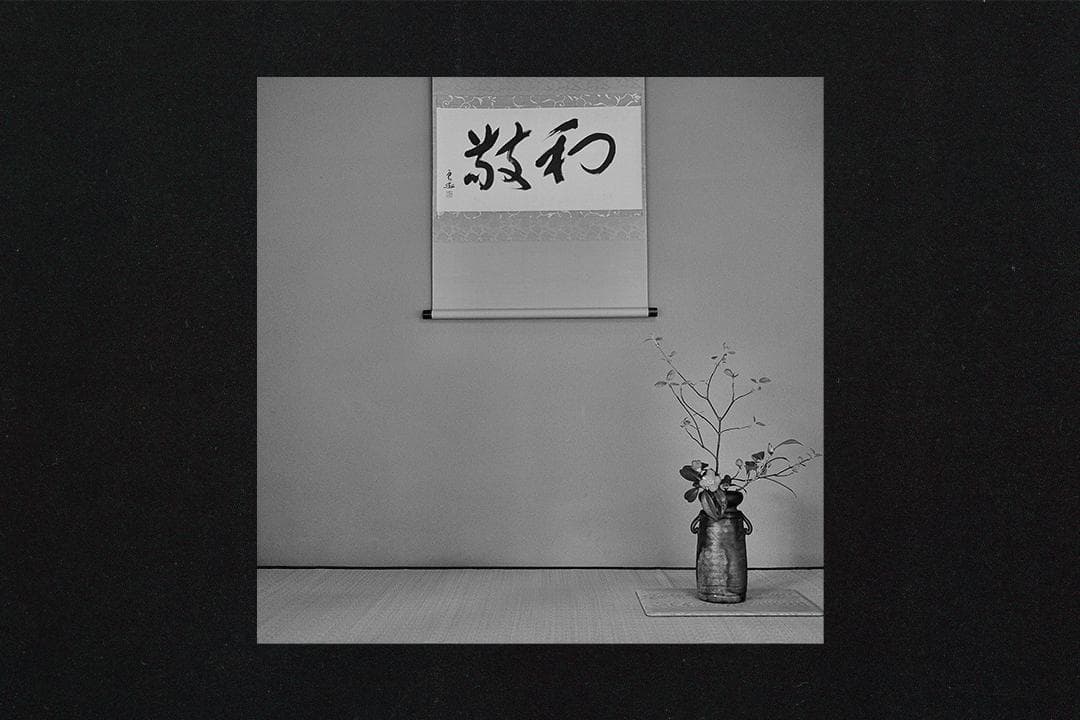
That's how I came across Wabi Sabi. Wabi Sabi is an aesthetic concept and a way of being in life, dating back to the 15th century, related to Zen Buddhism, and focused on accepting imperfection and transience. Wabi is directly related to the emotions generated from the beauty of simplicity. Sabi refers to the deep and tranquil beauty that results from the passage of time on people and things. It is a beauty that transports us, at every moment, to the natural cycle of life.
Although it is something that people have always known, there is a great difficulty in verbalizing the concept, perhaps because it is "something that underlies the psychology of the Japanese people"; Wabi Sabi lives, at the same time, on the threshold of consciousness and the heart of each person.
Wabi Sabi is a state of mind!
This concept is intrinsically linked to a type of beauty that reminds us of the transience of life, but more than a way of looking at the beauty of all things, it is the impact that this beauty has on each of us, and our individual reaction to that same beauty that truly constitutes the essence of Wabi Sabi.
It is a way of being, living, and feeling life, based on three essential ideas: Seeing and experiencing the world with the heart profoundly changes how we feel it; Simplicity encompasses beauty, tranquility, and comfort; All beings and all things are incomplete, imperfect, and impermanent.
This discovery quickly transformed into a challenge: to look at the world around us in search of beauty in simple and imperfect things, adopting an attitude of detachment and letting go in the face of Western paradigms of modernity, consumption, and the pursuit of perfection that are instilled in us at every moment.
As an aesthetic reference point, it stimulated an approach to the creative process based on ideals of beauty quite distinct from contemporary standards, thus contributing to the promotion of new visual grammars.
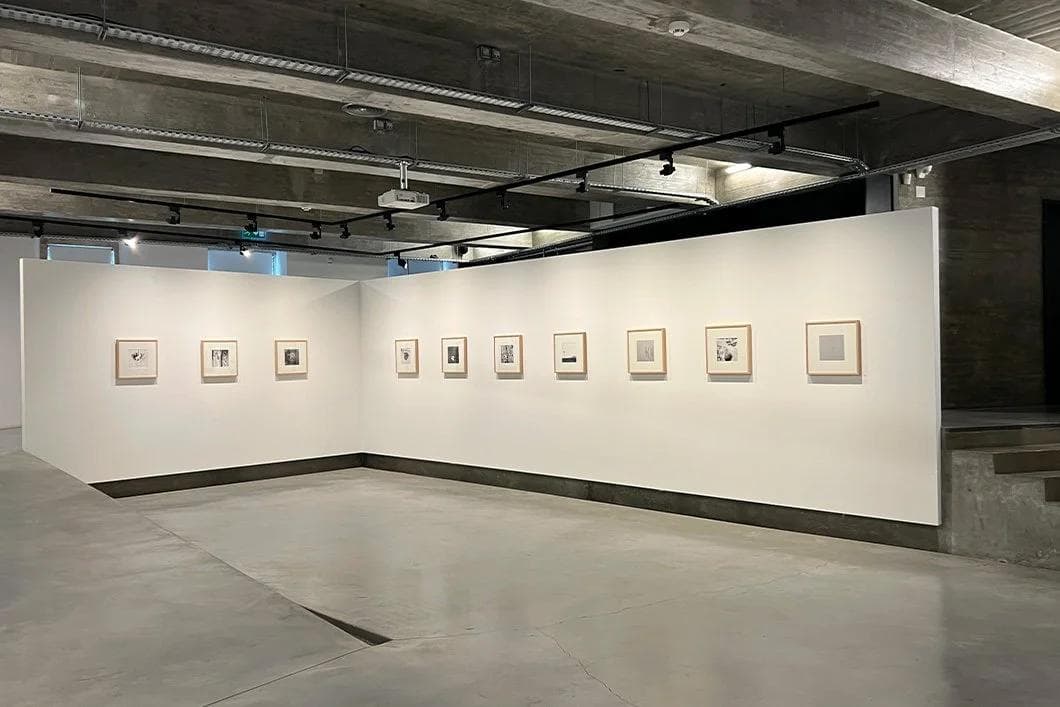
It is from this context, in which only some of the most superficial layers of the concept are addressed, whose teachings date back many centuries, that I proposed to attempt an approach to the interpretation and imagistic representation of some of the pillars upon which the principles of Wabi Sabi are based.
“Wabi-sabi things don’t need the guarantee of status or the validation of market culture. They don’t need provenance documentation. Wabi-sabi-ness in no way depends on knowledge of the creator’s history or personality. In fact, it is better that the creator be indistinct, invisible, or anonymous.”—Leonard Koren
Carlos Pereira Torres Vedras, 1958
Training in photography in Lisbon, Brussels, and Santa Fe, New Mexico. Composition instructor at the Portuguese Institute of Photography.
Exhibitions: Black & White (Torres Vedras, 2016); Paintographic Memories (Porto, 2012); Solidarity Photographic Exhibition (Santiago de Querétaro, 2012); Portuguese Photographers, group exhibition (Brussels, 2012); Wherever I Go, I Leave a Little of Myself (Lisbon, 2011); Dunes (Torres Vedras, 2009).