Tronos Tombados Novos Colonos
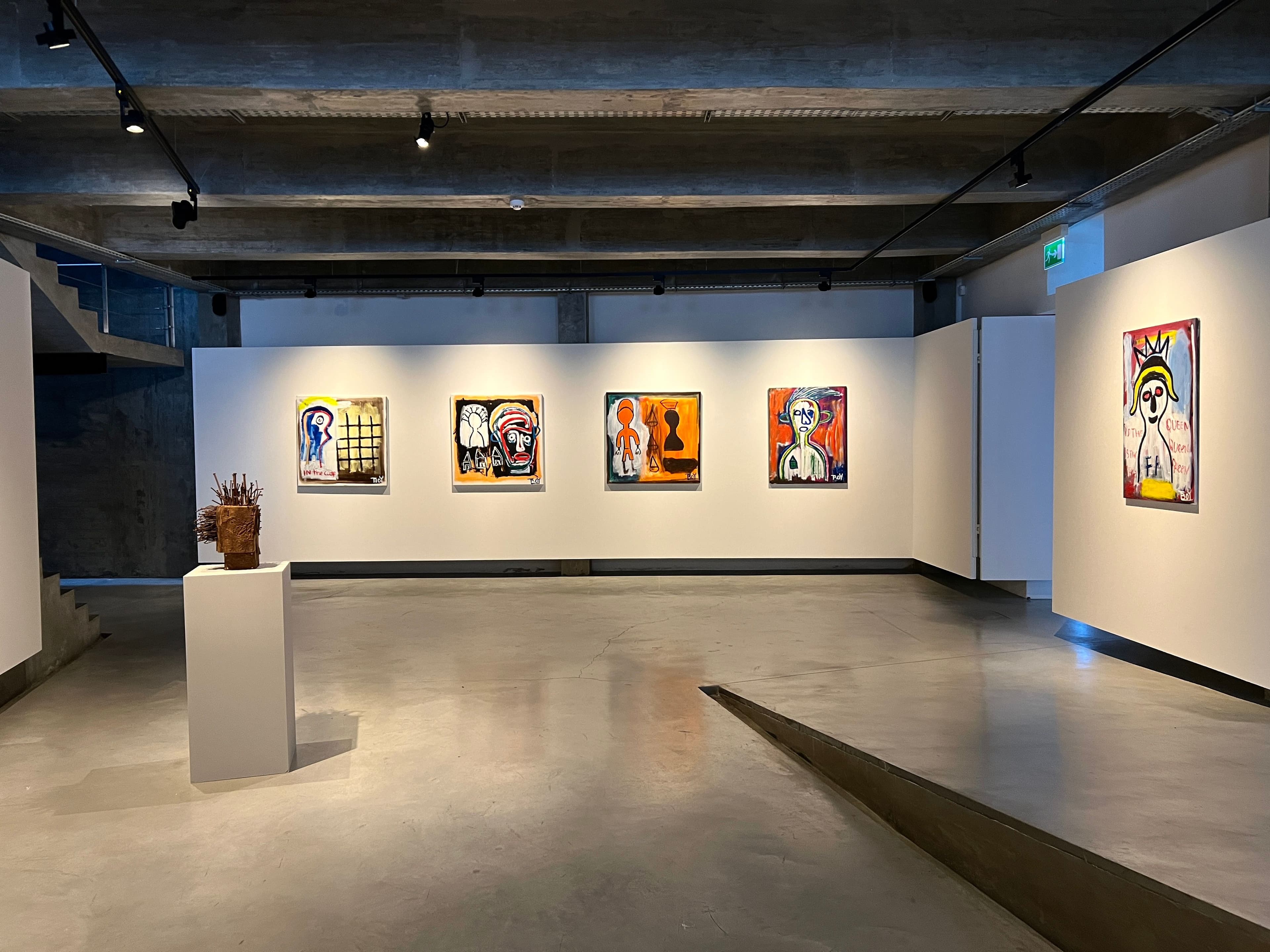
Toy BoyAfrica serves as a starting point for reflecting on the various phases of the colonization of the continent's peoples, seeking to understand their sociopolitical framework. Slavery has always been part of Africa's historical trajectory, where Africans enslaved Africans and where Europe, for centuries, made the continent and its inhabitants its source of revenue. With the abolition of slavery, and consequently with the end of Western colonies in Africa, independence movements arose, and civil wars erupted due to disagreements between political factions vying for power—something that still persists today in many African countries. Hence the need for reflection on governmental systems in Africa where, in the present day, after centuries of a history of slavery, it is Africans themselves in positions of power who plunder the resources of nations for their own benefit, leaving the people living in inhumane conditions and without their rights respected. Isn't this also a colonial attitude?
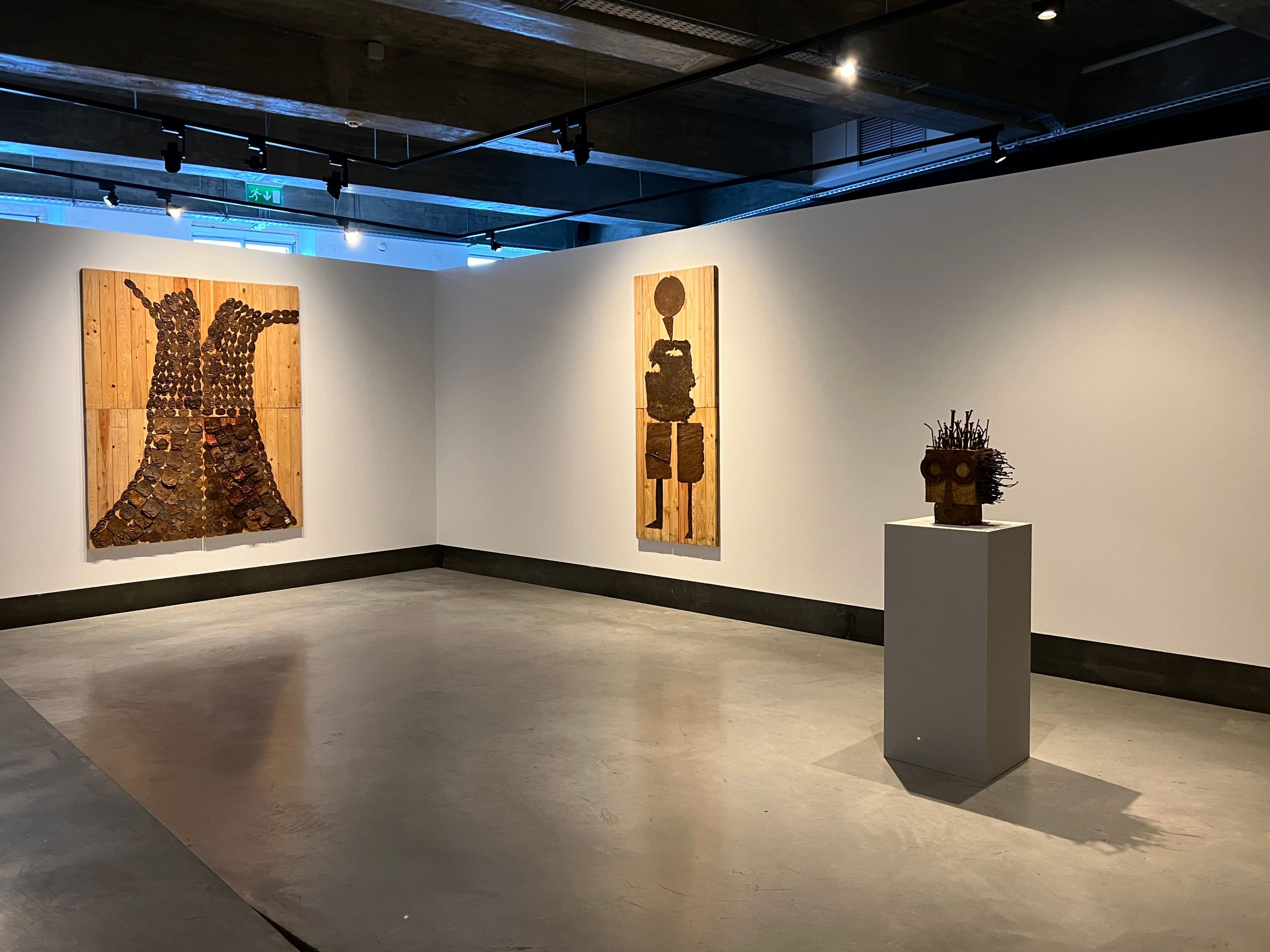
Thus, the idea is born in the artist's imagination that if the thrones of African kings and queens, with a concept of governance where the top hierarchy lived for the benefit and development of their people, had not fallen in the course of history, there would be a different reality from the one we live in today, where the oppressor and colonizer is the black man against the black man, and the hope of the people and their dreams are trampled upon with each passing day.
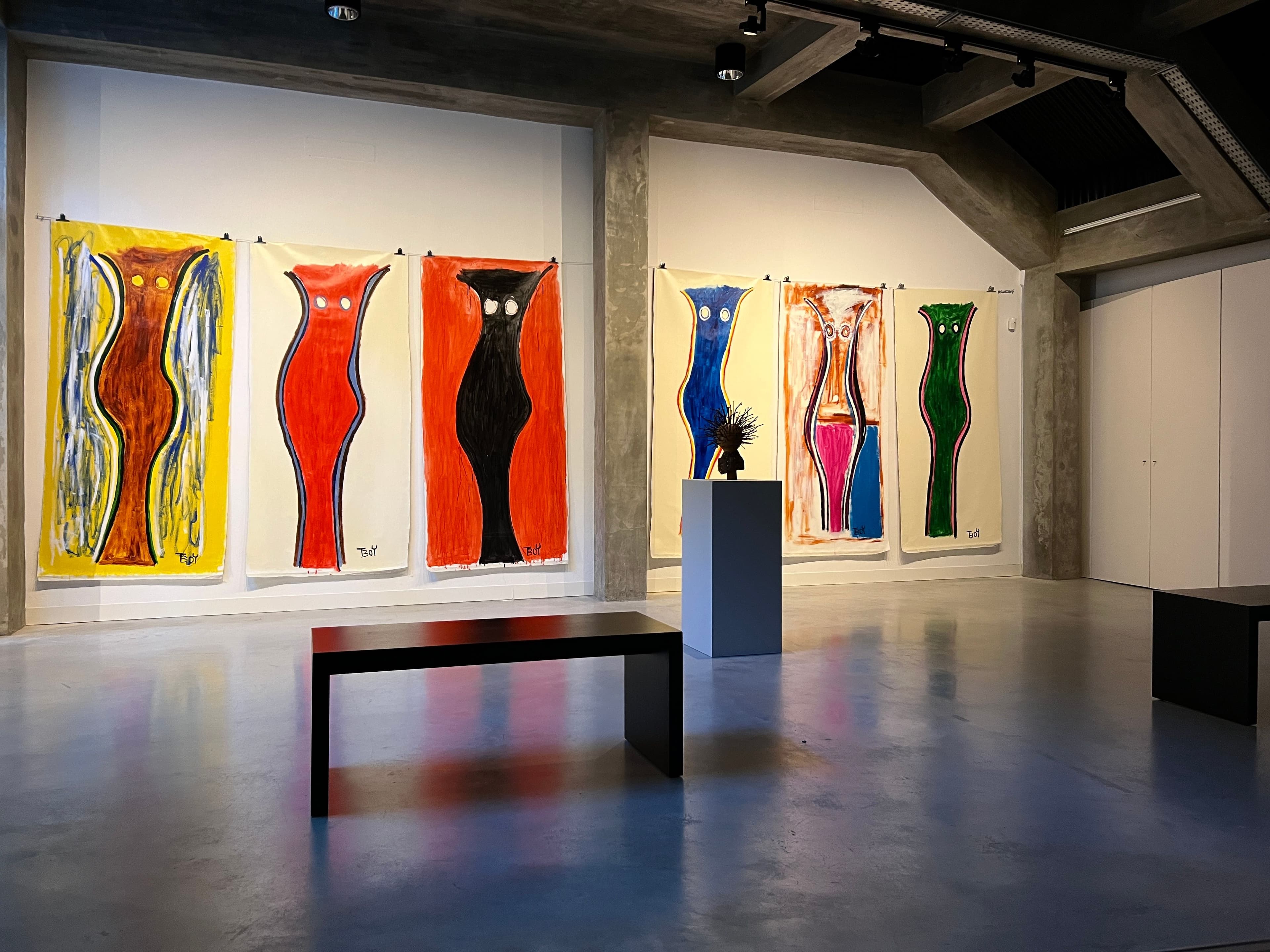
Toy Boy (1976) lives and works in Luanda, Angola. He defines his style as photographic documentation of Luanda's urbanization. Coexisting intimately with the urban environment, he has lived almost his entire life in Luanda's shantytowns—alleyways that inspire him and provide the materials for his work. Toy Boy's art reflects his critical view of everyday social issues; it articulates the raw, perverse, corrupt, social, and gender tensions of Luanda's constantly changing urban environment. He does this by focusing on human presence, looking at the daily lives of people who live the harsh realities of the city, just as he does. His work is deeply rooted in Angola's past and present. Artistically, he owes little to local traditions, but also appropriates Western styles and techniques. Sometimes he opts for Pop Art or comics, sometimes for collages or ready-mades. With his eyes wide open to social needs, Toy Boy establishes himself as an artist shaped by the "school of life," and we can perceive, through his work, his admiration and appreciation for women's sarcastic view of the "tough guys." Motivated by economic constraints, he uses recycled materials such as jute, linoleum, or cotton, which is not typical of local artists, but strongly links his work to the local context. Anyone familiar with contemporary Angolan society will immediately understand Toy Boy's work: the message is clear.